Houston Breaks Ground on Trinity East Village Senior 90 Units for Adults 55 and Older in Third Ward


About the Author
Multifamily Summit
The Multifamily Investment Summit is an exclusive, high-level gathering of executives, meticulously designed for a limited audience of multifamily investors, operators, and industry leaders. Unlike traditional events with thousands of attendees, sprawling tradeshow floors, and sponsored speaker panels, this summit breaks the mold.
Related Articles
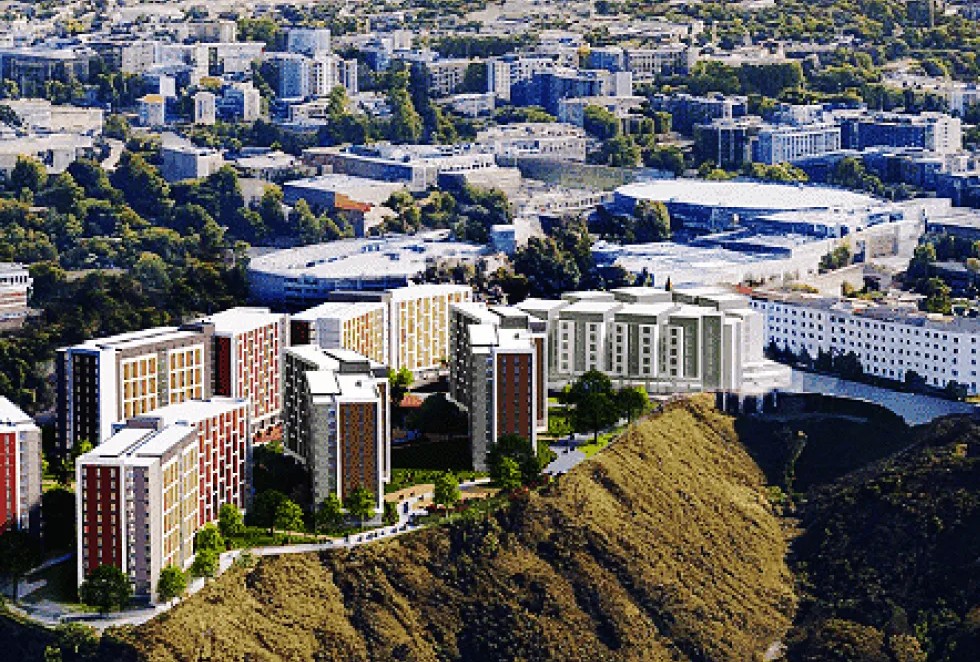
Akara Partners and DEVEN Secure Financing for 305-Bed Student Housing Development at San Diego State University
Akara Partners and Development Ventures Group have secured construction financing and equity for a 305-bed student housing project adjacent to San Diego State University. The 8-story development at 5077 College Avenue will feature 110 units across 98,500 square feet, positioned within 100 feet of campus—closer than any competing purpose-built property. Construction launches immediately with completion targeted for the 2028-29 academic year. The joint venture addresses growing enrollment demands at SDSU.
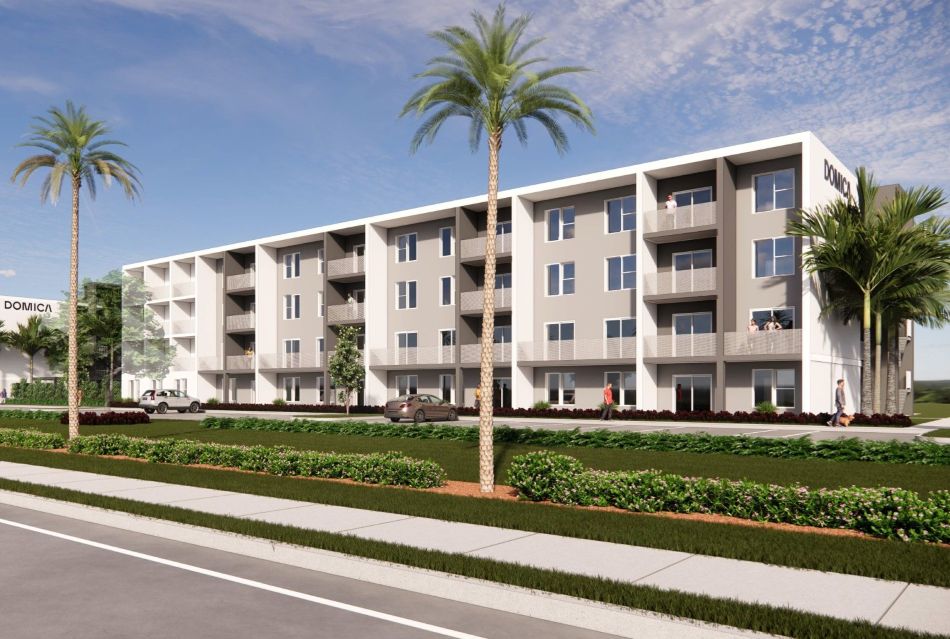
Greenfield Partners Launches Domica Employee Housing Platform With 70-Unit Naples Development
Greenfield Partners has launched Domica, a new employee housing platform targeting workforce housing challenges in hospitality, private clubs, and healthcare. The company broke ground on its first development in Naples, Florida—a 70-unit community with 35 units pre-leased to a members-only beach club. The platform addresses the estimated 7.2 million shortage of attainably priced apartments by developing properties specifically for employer block leases, complete with furnishings and support services.
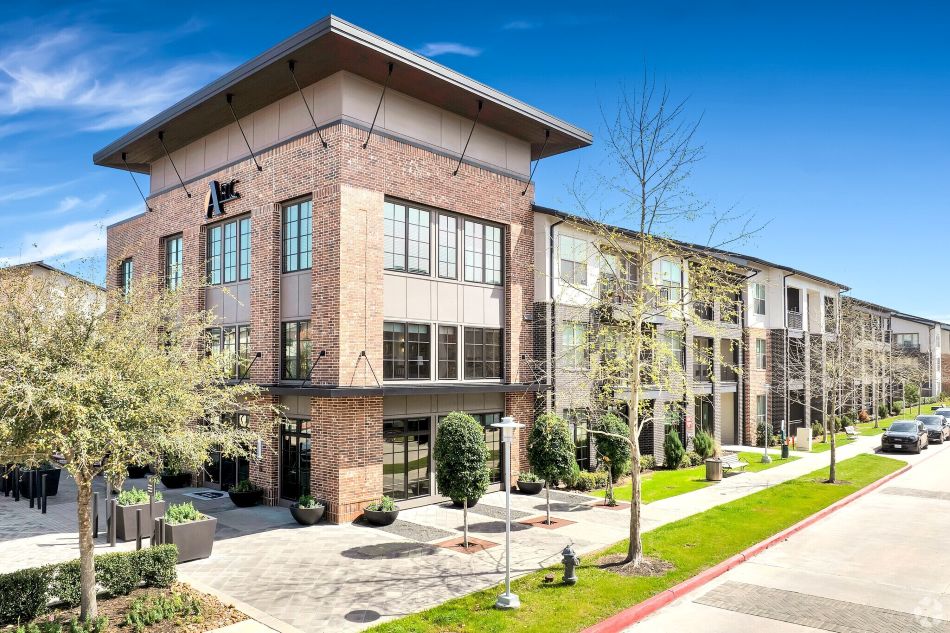
Walker & Dunlop Arranges $110 Million Refinancing for 731-Unit Multifamily Portfolio in Stafford Texas
Walker & Dunlop has arranged $110 million in refinancing for two Class A multifamily properties in Stafford, Texas. The transaction covers 1879 at the Grid and Arc at the Grid, totaling 731 units within a 192-acre mixed-use development. The company's Capital Markets Institutional Advisory division arranged the floating-rate, interest-only loan for Lone Star Funds, provided by TPG Real Estate Credit. The properties benefit from strategic positioning along the U.S. 90A corridor.
Multifamily Innovation® Technology & AI Summit
Connect with industry leaders and gain insights into the multifamily real estate market. The premier conference for multifamily investment professionals.