The Rent Growth Dilemma: Why Occupancy Below 89% Holds Multifamily Back
3 minutes read
by patrick
The Rent Growth Dilemma: Why Occupancy Below 89% Holds Multifamily Back

In 2025, multifamily investors are facing a frustrating reality: rent growth is a distant dream when economic occupancy falls below 89%. This threshold, once considered a minor concern, has become a critical barrier in a market plagued by oversupply, declining demand, and operational challenges. For investors banking on rent increases to boost returns, this stagnation is a wake-up call, forcing a reevaluation of strategies in an increasingly complex landscape.

Economic occupancy—defined as the percentage of potential gross income collected—directly influences a property’s ability to raise rents. When occupancy dips below 89%, the revenue cushion shrinks, making it nearly impossible to justify rent hikes without risking further vacancies. Industry experts suggest that 94% occupancy is the minimum for sustainable rent growth, a target many properties are struggling to reach. With vacancy rates climbing due to an oversupply of units and shifting renter preferences—driven by remote work and economic uncertainty—multifamily owners are caught in a cycle of stagnation.

The ripple effects are significant. Low occupancy erodes Net Operating Income (NOI), as fixed costs like maintenance and debt service remain constant while revenue lags. Investors who underwrote deals expecting 3-5% annual rent growth are now seeing flat or negative increases, especially in markets where 6-8 weeks of free rent are standard to attract new tenants. This “gain to lease” trend, where new renters secure lower rates than existing tenants, further complicates efforts to push rents upward. The result is a property value squeeze, as NOI declines and cap rates widen, hitting investors’ bottom lines hard.

Compounding the issue is the buyer-seller delta, where sellers hold onto inflated valuations while buyers demand discounts based on current market conditions. Properties with occupancy below 89% are particularly vulnerable, as their inability to generate rent growth signals risk to prospective buyers. This gridlock leaves owners with few options: hold and hope for a rebound, or invest heavily in operational improvements to boost occupancy.

So, how can investors break this cycle? First, prioritize occupancy stabilization. This means enhancing tenant retention through incentives like flexible leases or community upgrades, reducing turnover costs and vacancies. Second, optimize operations to lower expenses—think energy-efficient upgrades or streamlined maintenance—preserving NOI even without rent growth. Third, target markets with improving demand, such as secondary cities where supply has stabilized, to position properties for future increases. Data-driven underwriting, accounting for occupancy trends rather than speculative growth, is also essential.

The rent growth dilemma in 2025 underscores a new reality for multifamily investing: success hinges on occupancy management rather than blind optimism. Investors who adapt by focusing on operational efficiency and strategic market selection will weather this challenge. Those who don’t risk watching their portfolios stagnate in a market where occupancy below 89% is a hard limit on profitability.

rent growth occupancy 2025
multifamily occupancy rates
NOI protection
multifamily rent challenges
occupancy strategies

About the Author

patrick

Related Articles
Weidner Apartment Homes Plans 212-Unit Downtown Wenatchee Development and Historic Jailhouse Restoration
October 15, 2026

Weidner Apartment Homes Plans 212-Unit Downtown Wenatchee Development and Historic Jailhouse Restoration

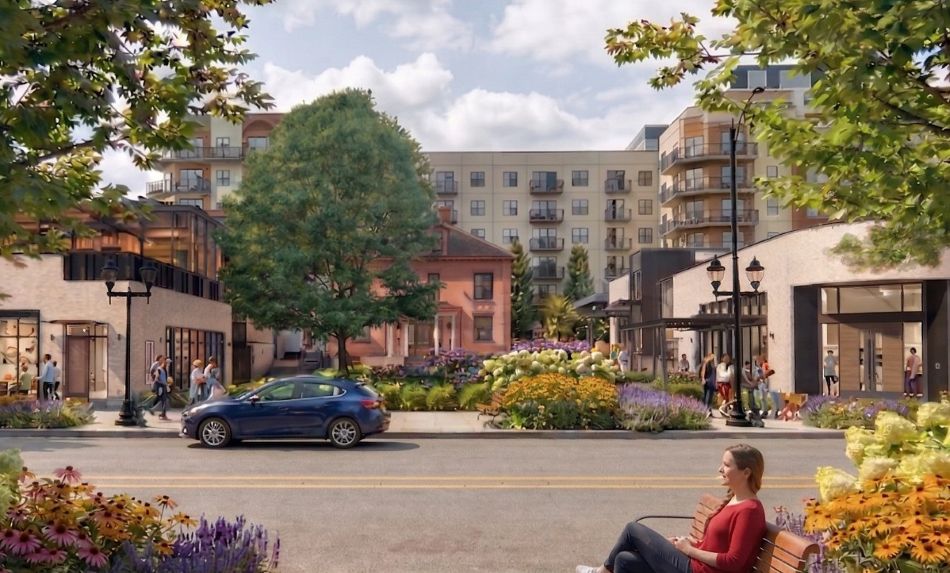
Weidner Apartment Homes is expanding its presence in downtown Wenatchee with two significant projects. The company announced The Majestic Apartments, a 212-unit, 7-story residential community featuring Art Deco design and underground parking, set for completion in summer 2027. Weidner is also restoring the historic 1910 Wenatchee Jailhouse for food and beverage use in partnership with local restaurant group Dime Food Group, expected to open in 2027.
Prometheus Opens Harken, 172-Unit Community in Los Altos
October 14, 2026

Prometheus Opens Harken, 172-Unit Community in Los Altos

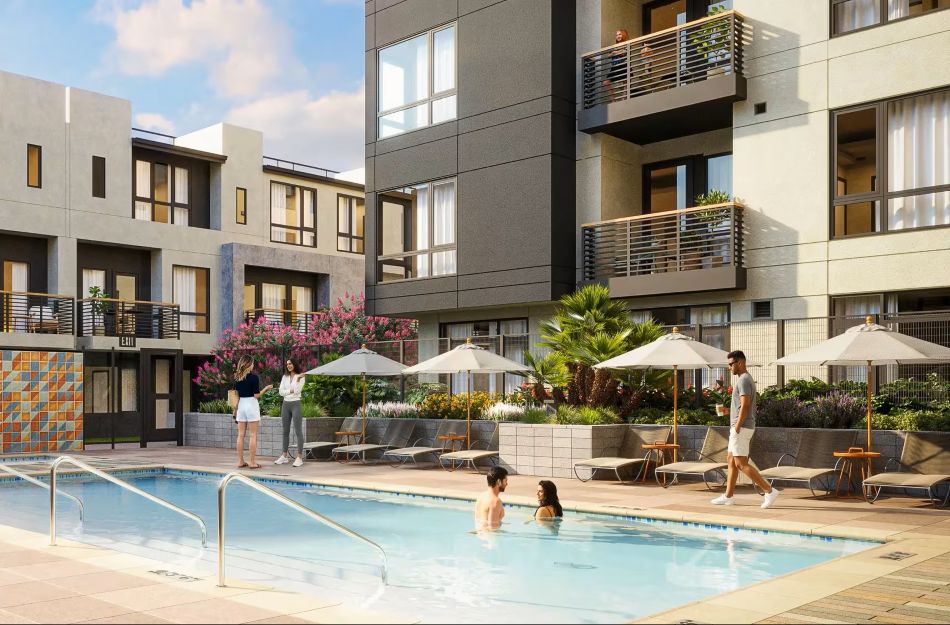
Prometheus Real Estate Group has opened Harken, a 172-unit apartment community in Los Altos, California—the first new apartment project in the area in decades. Located at 5150 El Camino Real, the property features 1- and 2-bedroom residences averaging 1,134 square feet, including 29 below-market-rate affordable units. Amenities include a 24/7 fitness center with Technogym equipment, pool, spa, private listening lounge, and clubhouse. Leasing begins this month with occupancy starting in November.
Griffis Residential Closes First $207 Million for Fund VII, Acquires 263-Unit Property in West Palm Beach
October 13, 2026

Griffis Residential Closes First $207 Million for Fund VII, Acquires 263-Unit Property in West Palm Beach

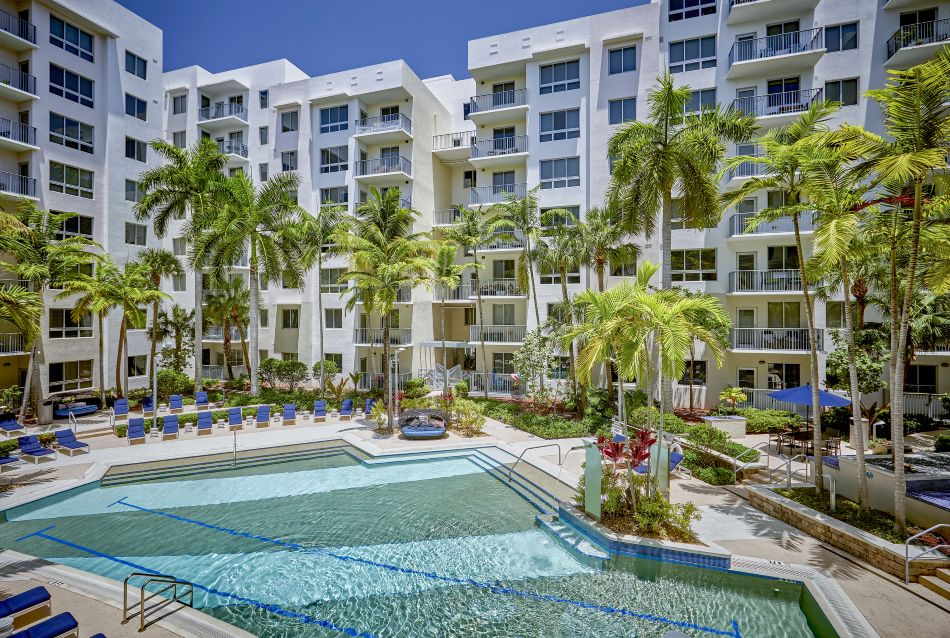
Griffis Residential announces the first close of Griffis Premium Apartment Fund VII, securing approximately $207 million in capital commitments. The fund continues the company's value-add investment strategy, targeting multifamily communities in markets with strong demographics and favorable supply-demand dynamics. Fund VII has completed its first acquisition, purchasing the 263-unit Griffis North Olive community in West Palm Beach, Florida for $104 million at an estimated 25% discount to replacement cost.

Multifamily Innovation® Technology & AI Summit

Connect with industry leaders and gain insights into the multifamily real estate market. The premier conference for multifamily investment professionals.

Date
December 1-3 2026
Location
Phoenix, Arizona
Register Now