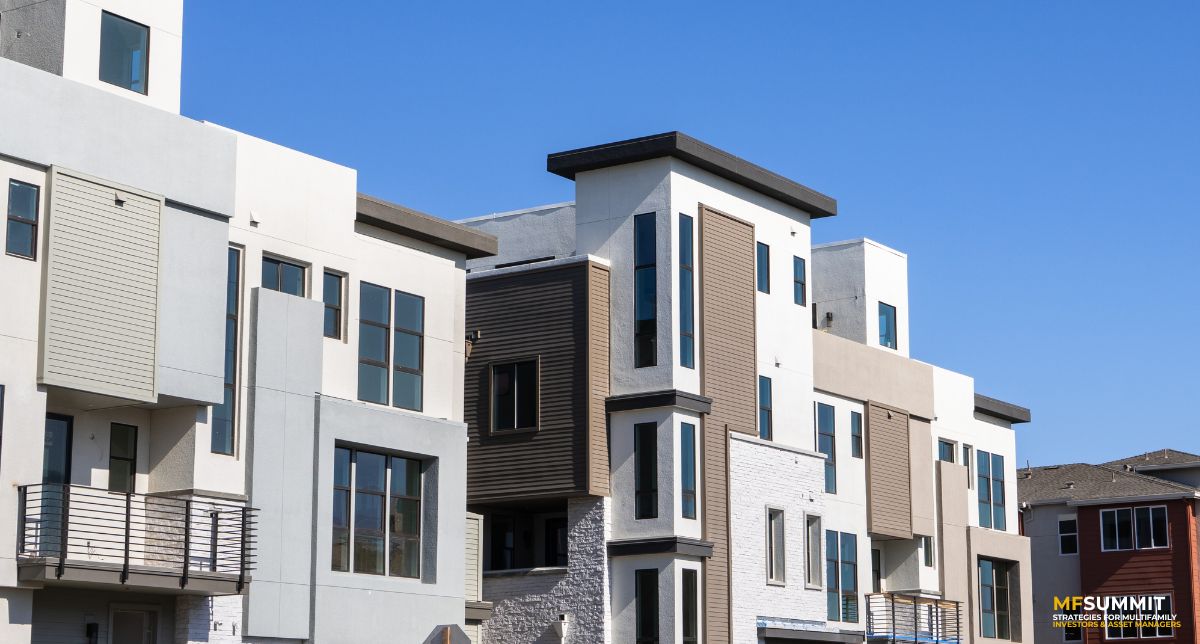
Renters Have the Advantage Today: A Shift in the Multifamily Market
About the Author
patrick
Related Articles

Weidner Apartment Homes Plans 212-Unit Downtown Wenatchee Development and Historic Jailhouse Restoration
Weidner Apartment Homes is expanding its presence in downtown Wenatchee with two significant projects. The company announced The Majestic Apartments, a 212-unit, 7-story residential community featuring Art Deco design and underground parking, set for completion in summer 2027. Weidner is also restoring the historic 1910 Wenatchee Jailhouse for food and beverage use in partnership with local restaurant group Dime Food Group, expected to open in 2027.
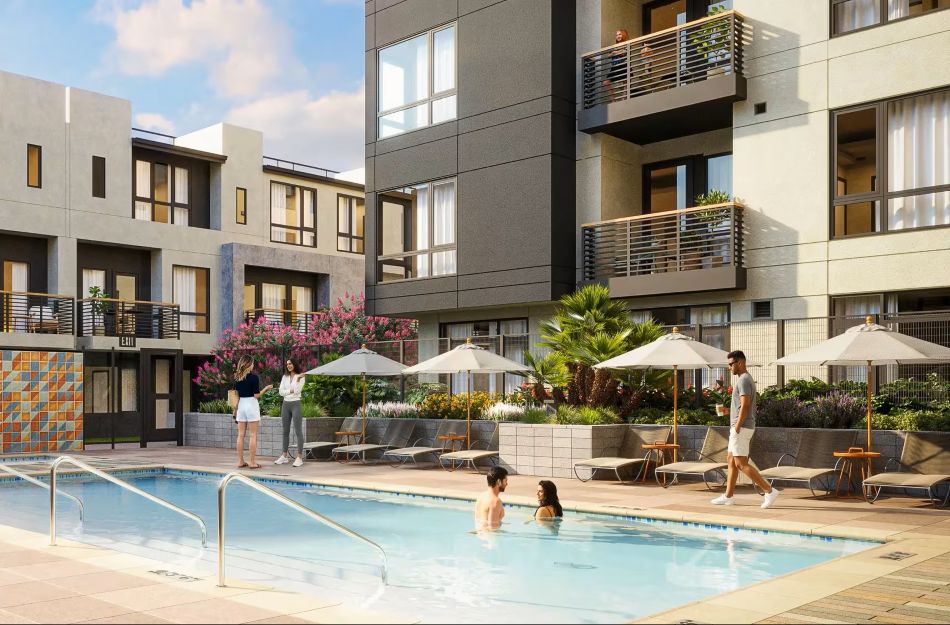
Prometheus Opens Harken, 172-Unit Community in Los Altos
Prometheus Real Estate Group has opened Harken, a 172-unit apartment community in Los Altos, California—the first new apartment project in the area in decades. Located at 5150 El Camino Real, the property features 1- and 2-bedroom residences averaging 1,134 square feet, including 29 below-market-rate affordable units. Amenities include a 24/7 fitness center with Technogym equipment, pool, spa, private listening lounge, and clubhouse. Leasing begins this month with occupancy starting in November.
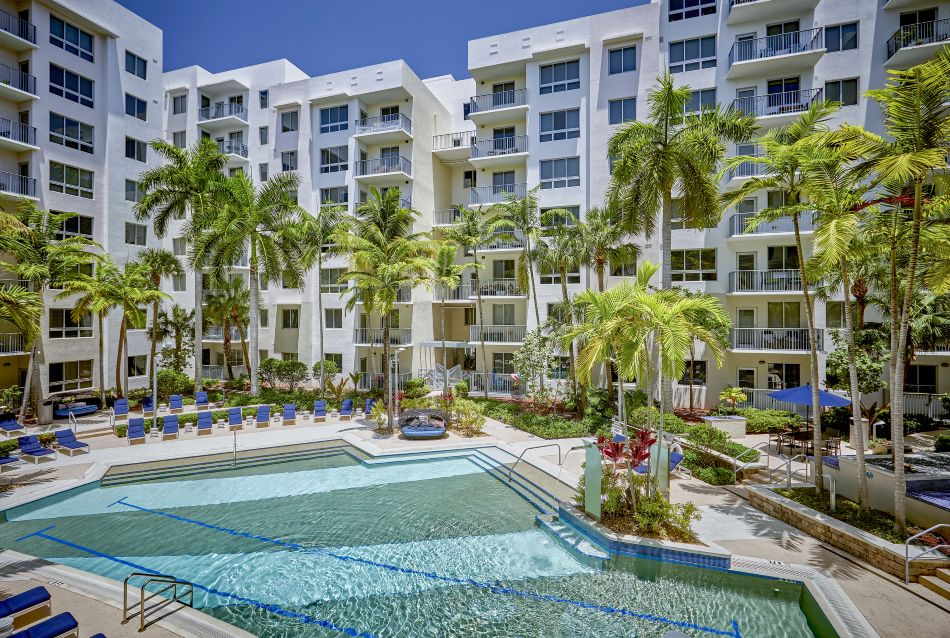
Griffis Residential Closes First $207 Million for Fund VII, Acquires 263-Unit Property in West Palm Beach
Griffis Residential announces the first close of Griffis Premium Apartment Fund VII, securing approximately $207 million in capital commitments. The fund continues the company's value-add investment strategy, targeting multifamily communities in markets with strong demographics and favorable supply-demand dynamics. Fund VII has completed its first acquisition, purchasing the 263-unit Griffis North Olive community in West Palm Beach, Florida for $104 million at an estimated 25% discount to replacement cost.
Multifamily Innovation® Technology & AI Summit
Connect with industry leaders and gain insights into the multifamily real estate market. The premier conference for multifamily investment professionals.