Housing Impact Fund Raises More Than One Hundred Million to Preserve Fifteen Hundred Affordable Apartments in Charlotte

About the Author
Multifamily Summit
The Multifamily Investment Summit is an exclusive, high-level gathering of executives, meticulously designed for a limited audience of multifamily investors, operators, and industry leaders. Unlike traditional events with thousands of attendees, sprawling tradeshow floors, and sponsored speaker panels, this summit breaks the mold.
Related Articles
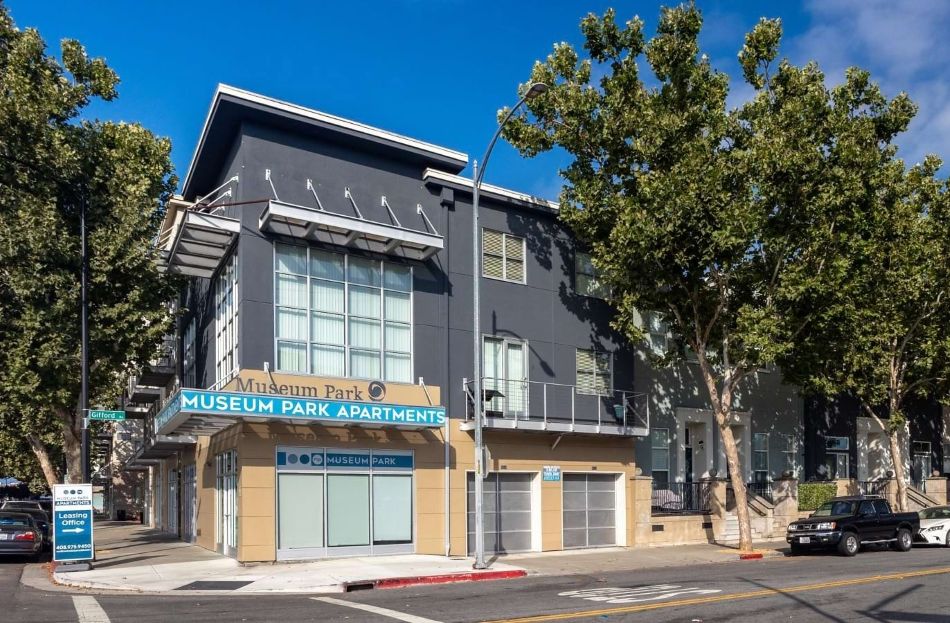
Oberndorf and Bascom Acquire 117-Unit Museum Park Apartments in San Jose for $53.1 Million
An affiliate of Oberndorf Real Estate Management has partnered with The Bascom Group to acquire Museum Park Apartments in San Jose for $53.1 million. The 117-unit Class B+ garden-style community built in 2002 features units ranging from 1 to 3 bedrooms, with most offering attached private garages. Located in downtown San Jose near major employers and transit, the property will undergo value-add renovations targeting kitchones, bathrooms, and common areas with Apartment Management Consultants taking over property management.
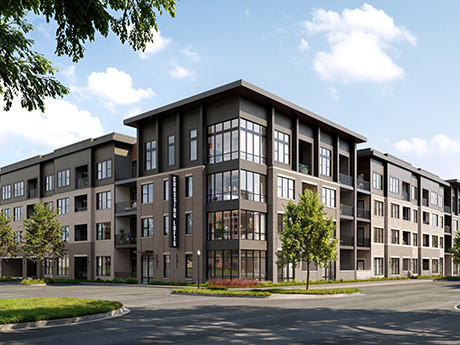
Thompson Thrift Breaks Ground on 273-Unit The Crossing Lofts at Fishers District in Indiana
Thompson Thrift has broken ground on The Crossing Lofts at Fishers District, a 273-unit multifamily development in Fishers, Indiana, with first move-ins anticipated in January 2028. The four-story community will feature studio, one-, and two-bedroom apartments with modern finishes and smart-home technology, plus 10,000 square feet of ground-floor commercial space. Located adjacent to the 7,500-seat Fishers Event Center, the property advances Thompson Thrift's 123-acre, $750 million Fishers District master plan.
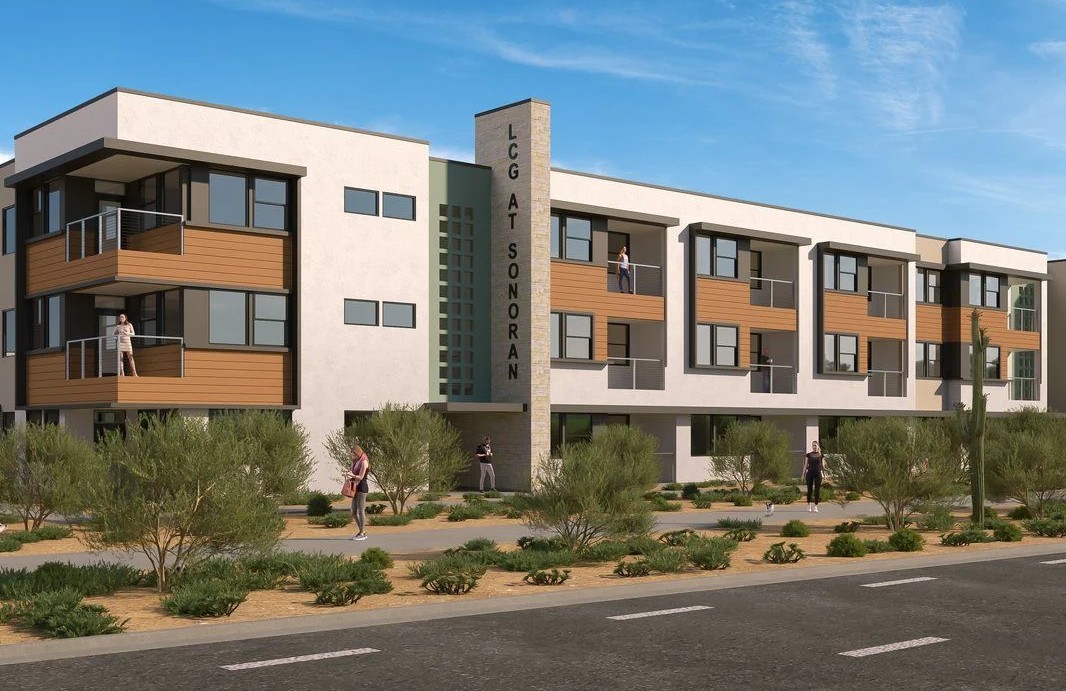
Leon Multifamily Breaks Ground on 343-Unit Soltra Ironwood in North Phoenix
Leon Multifamily has broken ground on Soltra Ironwood, a 343-unit apartment community in North Phoenix, Arizona. The development responds to housing demand driven by the region's semiconductor sector growth, particularly TSMC's $265 billion Arizona investment. The community will feature studio through three-bedroom apartments with resort-style amenities. First units are expected in Q4 2027, with LMF Construction serving as general contractor.
Multifamily Innovation® Technology & AI Summit
Connect with industry leaders and gain insights into the multifamily real estate market. The premier conference for multifamily investment professionals.