Gain to Lease: How New Renters Are Winning in the Multifamily Market
3 minutes read
by patrick
Gain to Lease: How New Renters Are Winning in the Multifamily Market

In 2025, the multifamily market is witnessing a seismic shift with the rise of the “gain to lease” trend, a phenomenon where existing leases far exceed current market rates. This dynamic has turned the traditional leasing model on its head, giving new renters a distinct advantage over existing tenants and creating headaches for investors who banked on steady renewals. Understanding and navigating this trend is crucial for multifamily operators looking to stay competitive in a renter-driven market.

“Gain to lease” occurs when the rent paid by current tenants—locked in during previous, hotter market conditions—is significantly higher than what new tenants can secure today. For example, a tenant renewing a lease might be paying $2,500 per month, while a new renter can sign a lease for the same unit at $2,200, often with 6-8 weeks of free rent thrown in. This gap arises from an oversupply of multifamily units and declining demand, which has forced property managers to offer steep concessions to fill vacancies. With economic occupancy rates below 89% in many markets, the pressure to attract new tenants is intense, even if it means undercutting existing lease rates.

For new renters, this is a golden opportunity. They can shop around, negotiate aggressively, and secure deals that were unthinkable a few years ago. Beyond free rent, landlords are offering perks like waived fees, gift cards, or even upgraded amenities to sweeten the deal. This has flipped the traditional renter-landlord dynamic: for the first time in years, it’s better to be a prospect than a customer. Existing tenants, seeing these incentives, are often tempted to move to a new property rather than renew at a higher rate, driving turnover and further complicating occupancy challenges for investors.

For multifamily investors, the gain to lease trend poses significant risks. Many underwrote their deals assuming tenants would renew at current or higher rates, a strategy that’s backfiring as market rents soften. High turnover not only increases vacancy periods but also drives up costs for marketing and unit turnovers, eroding NOI. Additionally, the gap between existing and market rents can devalue a property, as potential buyers factor in the lower rental income when calculating offers. This exacerbates the buyer-seller delta, making it harder for owners to exit investments without taking a loss.

To adapt, investors must rethink their leasing strategies. One approach is to offer competitive renewal incentives, such as a modest rent reduction or a one-time bonus, to retain tenants and reduce turnover. Another is to focus on value-add amenities—think upgraded fitness centers or coworking spaces—that justify higher rents without relying solely on market increases. Finally, investors should underwrite more conservatively, accounting for potential declines in market rents rather than banking on growth.

The gain to lease trend in 2025 is a wake-up call for the multifamily industry. While new renters are reaping the benefits, investors must pivot to protect their portfolios. Those who adapt will find opportunities; those who don’t will struggle to keep pace.

multifamily market shifts
rental incentives
tenant turnover
real estate investing 2025

About the Author

patrick

Related Articles
Weidner Apartment Homes Plans 212-Unit Downtown Wenatchee Development and Historic Jailhouse Restoration
October 15, 2026

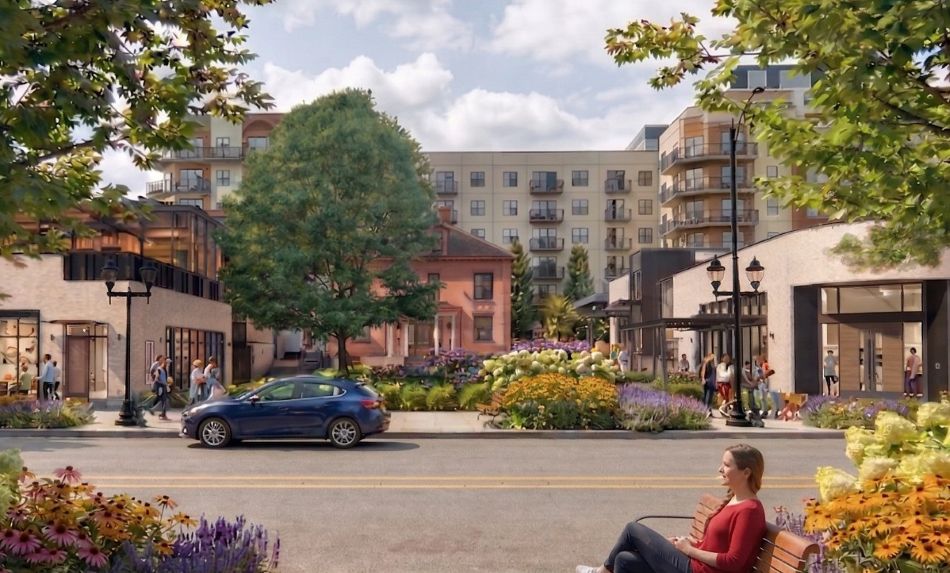
Weidner Apartment Homes Plans 212-Unit Downtown Wenatchee Development and Historic Jailhouse Restoration

Weidner Apartment Homes is expanding its presence in downtown Wenatchee with two significant projects. The company announced The Majestic Apartments, a 212-unit, 7-story residential community featuring Art Deco design and underground parking, set for completion in summer 2027. Weidner is also restoring the historic 1910 Wenatchee Jailhouse for food and beverage use in partnership with local restaurant group Dime Food Group, expected to open in 2027.
Prometheus Opens Harken, 172-Unit Community in Los Altos
October 14, 2026

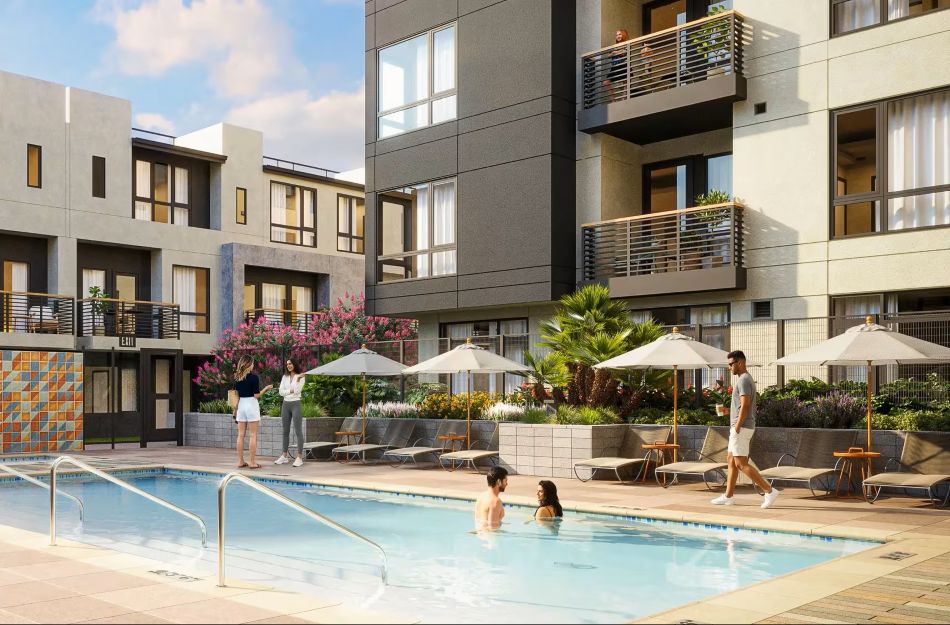
Prometheus Opens Harken, 172-Unit Community in Los Altos

Prometheus Real Estate Group has opened Harken, a 172-unit apartment community in Los Altos, California—the first new apartment project in the area in decades. Located at 5150 El Camino Real, the property features 1- and 2-bedroom residences averaging 1,134 square feet, including 29 below-market-rate affordable units. Amenities include a 24/7 fitness center with Technogym equipment, pool, spa, private listening lounge, and clubhouse. Leasing begins this month with occupancy starting in November.
Griffis Residential Closes First $207 Million for Fund VII, Acquires 263-Unit Property in West Palm Beach
October 13, 2026

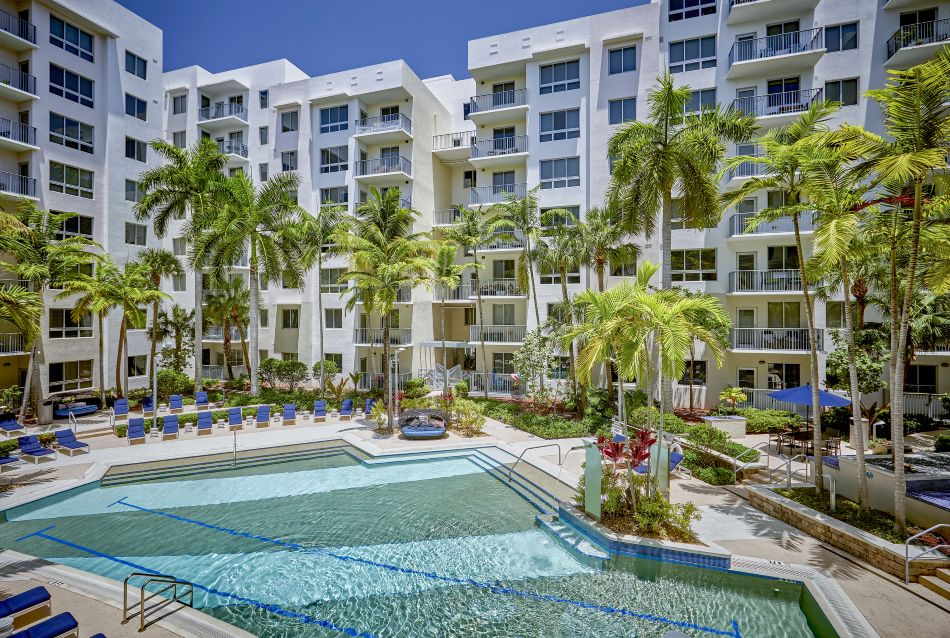
Griffis Residential Closes First $207 Million for Fund VII, Acquires 263-Unit Property in West Palm Beach

Griffis Residential announces the first close of Griffis Premium Apartment Fund VII, securing approximately $207 million in capital commitments. The fund continues the company's value-add investment strategy, targeting multifamily communities in markets with strong demographics and favorable supply-demand dynamics. Fund VII has completed its first acquisition, purchasing the 263-unit Griffis North Olive community in West Palm Beach, Florida for $104 million at an estimated 25% discount to replacement cost.

Multifamily Innovation® Technology & AI Summit

Connect with industry leaders and gain insights into the multifamily real estate market. The premier conference for multifamily investment professionals.

Date
December 1-3 2026
Location
Phoenix, Arizona
Register Now