Declining Occupancy: The Silent NOI Killer in Multifamily Investing
3 minutes read
by patrick
Declining Occupancy: The Silent NOI Killer in Multifamily Investing

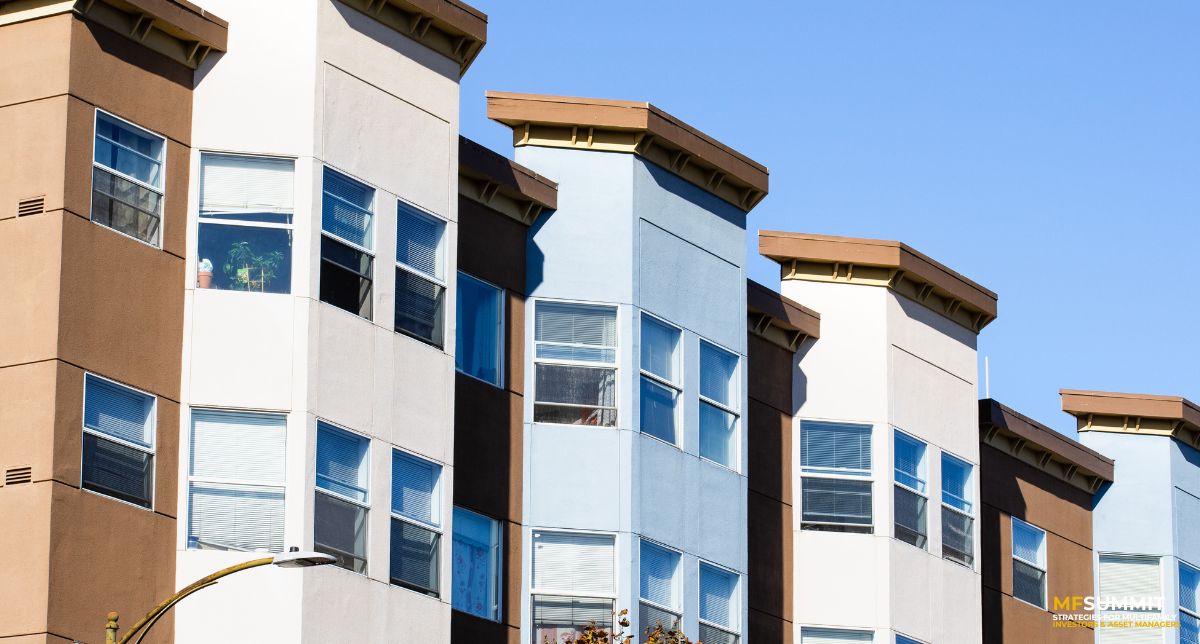
In the multifamily investment space, 2025 has brought a harsh reality: declining occupancy is a silent killer of Net Operating Income (NOI), and many investors are feeling the sting. With economic occupancy rates dipping below 89% in numerous markets, the ripple effects are profound. NOI, the lifeblood of any multifamily investment, is under siege, and those who fail to address this trend risk seeing their returns evaporate.

NOI represents the revenue a property generates after operating expenses but before debt service and taxes. It’s a key metric for determining a property’s value and investment potential. However, when occupancy falls, revenue drops while fixed costs—such as maintenance, utilities, and property management fees—remain constant. For example, a property with a 5% vacancy might see a 10% hit to NOI, as the lost rental income directly impacts the bottom line. In markets where economic occupancy is below 89%, this effect is even more pronounced, leaving investors with shrinking margins and little room for error.

The current decline in occupancy stems from multiple factors. An oversupply of new multifamily units, particularly in urban centers, has outpaced demand, leading to higher vacancy rates. Additionally, economic uncertainty and remote work trends have reduced the urgency for renters to commit to long-term leases, especially in high-cost areas. As a result, properties that once boasted 95%+ occupancy are struggling to maintain even 90%, a threshold that’s critical for financial stability. When occupancy falls below 94%, rent growth becomes nearly impossible, compounding the pressure on NOI.

For investors, the stakes are high. A property with declining NOI not only generates less cash flow but also loses value, as valuations are often tied to NOI through cap rates. In a market where buyers are already cautious—chasing deals below replacement cost—these properties become harder to sell, further widening the buyer-seller delta. Owners who overpaid during the boom years are now stuck, forced to either absorb the losses or double down on operational improvements to stabilize occupancy.

So, what can investors do? First, focus on tenant retention. High turnover exacerbates vacancy issues, as the cost of marketing and unit turnovers eats into NOI. Offering incentives like lease renewal bonuses or community perks can keep tenants in place. Second, enhance marketing efforts to attract new renters, even if it means offering concessions like a month of free rent. While this may dent short-term revenue, it’s better than prolonged vacancies. Finally, leverage data to optimize operations—analyze local market trends to set competitive rents and identify areas for cost savings without compromising quality.

Declining occupancy is a wake-up call for multifamily investors in 2025. Those who adapt by prioritizing occupancy and protecting NOI will weather the storm. Those who don’t risk watching their investments erode in a market where every percentage point of occupancy matters more than ever.

real estate NOI
multifamily market trends
tenant retention
vacancy strategies

About the Author

patrick

Related Articles
Weidner Apartment Homes Plans 212-Unit Downtown Wenatchee Development and Historic Jailhouse Restoration
October 15, 2026

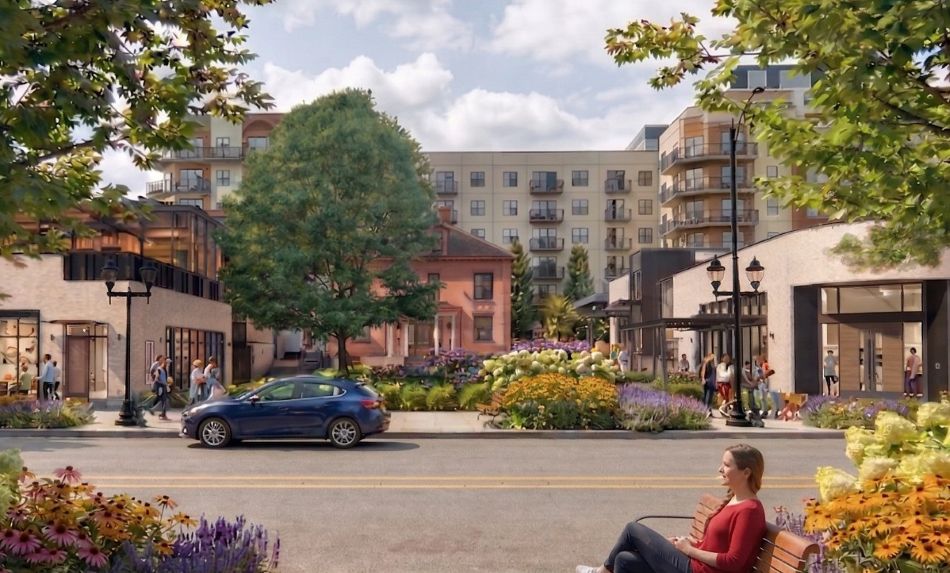
Weidner Apartment Homes Plans 212-Unit Downtown Wenatchee Development and Historic Jailhouse Restoration

Weidner Apartment Homes is expanding its presence in downtown Wenatchee with two significant projects. The company announced The Majestic Apartments, a 212-unit, 7-story residential community featuring Art Deco design and underground parking, set for completion in summer 2027. Weidner is also restoring the historic 1910 Wenatchee Jailhouse for food and beverage use in partnership with local restaurant group Dime Food Group, expected to open in 2027.
Prometheus Opens Harken, 172-Unit Community in Los Altos
October 14, 2026

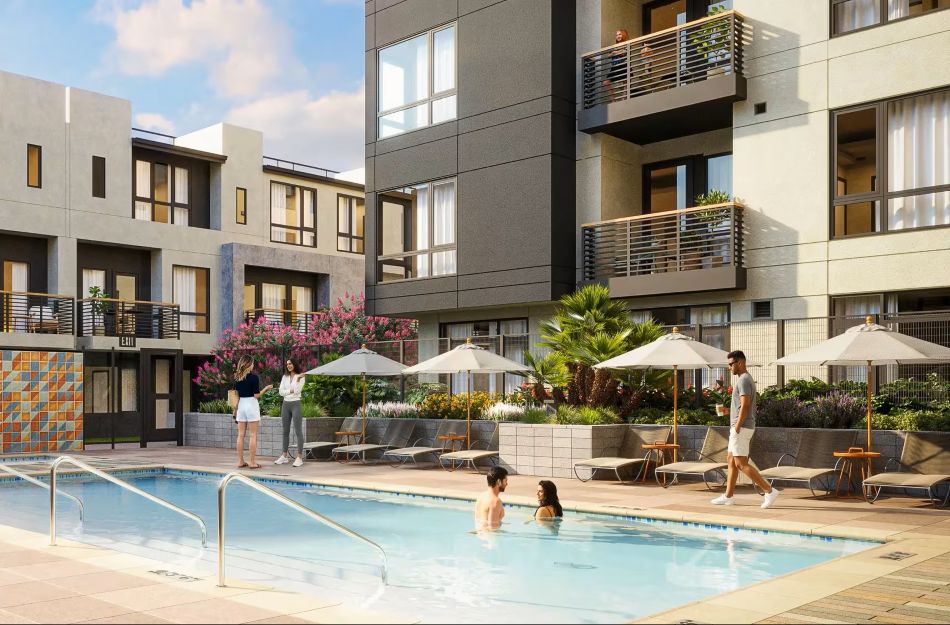
Prometheus Opens Harken, 172-Unit Community in Los Altos

Prometheus Real Estate Group has opened Harken, a 172-unit apartment community in Los Altos, California—the first new apartment project in the area in decades. Located at 5150 El Camino Real, the property features 1- and 2-bedroom residences averaging 1,134 square feet, including 29 below-market-rate affordable units. Amenities include a 24/7 fitness center with Technogym equipment, pool, spa, private listening lounge, and clubhouse. Leasing begins this month with occupancy starting in November.
Griffis Residential Closes First $207 Million for Fund VII, Acquires 263-Unit Property in West Palm Beach
October 13, 2026

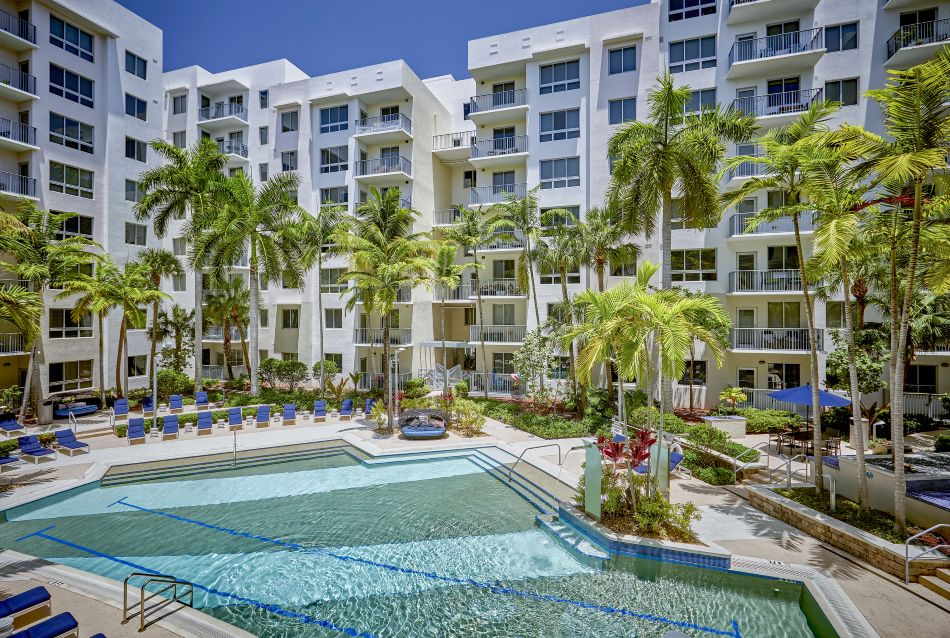
Griffis Residential Closes First $207 Million for Fund VII, Acquires 263-Unit Property in West Palm Beach

Griffis Residential announces the first close of Griffis Premium Apartment Fund VII, securing approximately $207 million in capital commitments. The fund continues the company's value-add investment strategy, targeting multifamily communities in markets with strong demographics and favorable supply-demand dynamics. Fund VII has completed its first acquisition, purchasing the 263-unit Griffis North Olive community in West Palm Beach, Florida for $104 million at an estimated 25% discount to replacement cost.

Multifamily Innovation® Technology & AI Summit

Connect with industry leaders and gain insights into the multifamily real estate market. The premier conference for multifamily investment professionals.

Date
December 1-3 2026
Location
Phoenix, Arizona
Register Now