The New Multifamily Playbook: Why Operations Are Everything in 2025

3 minutes read
by patrick
The New Multifamily Playbook: Why Operations Are Everything in 2025

The multifamily investment landscape in 2025 has shifted dramatically, and investors who cling to old strategies are finding themselves blindsided. For years, the focus was on interest rates and cap rates, with many assuming that market fundamentals would hold steady. However, as occupancy rates dip below 89% and NOI takes a beating, a new truth has emerged: operations are the cornerstone of success in today’s market. Investors who prioritize operational efficiency are not only surviving but thriving, while those who don’t are watching their returns erode.

Operations in multifamily investing encompass everything from tenant retention to expense management, but their importance has never been more pronounced. With economic occupancy hovering below the critical 94% threshold—where rent growth becomes feasible—property managers are under pressure to fill units and maintain cash flow. Vacancies aren’t just a minor inconvenience; they’re a direct hit to NOI, as fixed costs like maintenance and debt service remain unchanged while revenue plummets. A 5% drop in occupancy can slash NOI by 10% or more, depending on the property’s cost structure, making operational excellence non-negotiable.

One key operational challenge is tenant turnover. High turnover rates increase costs—think marketing, unit turnovers, and lost rent during vacancy periods. In today’s renter-friendly market, where new tenants can secure 6-8 weeks of free rent, existing tenants are tempted to move rather than renew at higher rates. This creates a vicious cycle: higher turnover leads to lower occupancy, which further depresses NOI. Smart operators are combating this by investing in tenant experience—offering flexible lease terms, community events, or even loyalty incentives—to boost retention and stabilize occupancy.

Another operational focus is cost control. With inflation still a factor, expenses like utilities, maintenance, and labor are climbing. Investors who fail to audit their cost structures are seeing margins shrink, especially as rent growth remains elusive. Forward-thinking operators are leveraging technology, such as smart thermostats and predictive maintenance systems, to reduce expenses without sacrificing quality. These small adjustments can add up, preserving NOI even in a challenging market.

The buyer-seller delta further underscores the importance of operations. Many buyers are snapping up deals at what they believe is a bargain—below replacement cost—only to discover that poor operations drag the property’s value down further. A property with high vacancies and bloated expenses isn’t a deal; it’s a liability. Investors who excel at operations can turn these distressed assets around, but it requires a hands-on approach that many aren’t prepared for.

In 2025, the multifamily market is a proving ground for operational expertise. Investors who adapt by focusing on tenant retention, cost efficiency, and data-driven decision-making will emerge as leaders. Those who don’t will struggle to keep pace in a market where NOI, not cap rates, dictates success. The message is clear: operations aren’t just a piece of the puzzle—they’re the entire board.

real estate operations
multifamily market 2025
occupancy rates
investor strategies

About the Author

patrick

Related Articles

ECI Group Launches Pre-Leasing for $60 Million Averly Richmond Hill Community in Georgia
November 6, 2026

ECI Group Launches Pre-Leasing for $60 Million Averly Richmond Hill Community in Georgia

ECI Group announces pre-leasing for The Averly Richmond Hill, a $60 million apartment community featuring 243 apartment residences and 48 townhomes on Ford Avenue in Richmond Hill, Georgia. Located less than one mile from I-95 in the city's retail and commercial district, the gated community offers one-, two-, and three-bedroom floor plans with private outdoor spaces. The development provides convenient access to major employers including Hyundai, Gulfstream, Georgia Ports, and Fort Stewart.
Hamilton Zanze Acquires 300-Unit Vital at Springbrook Apartments in Alcoa Tennessee for $1M

Wait, let me reconsider - the article doesn't mention the price. Let me write an accurate headline:

Hamilton Zanze Acquires 300-Unit Vital at Springbrook in Alcoa Tennessee
November 4, 2026

Hamilton Zanze Acquires 300-Unit Vital at Springbrook Apartments in Alcoa Tennessee for $1M Wait, let me reconsider - the article doesn't mention the price. Let me write an accurate headline: Hamilton Zanze Acquires 300-Unit Vital at Springbrook in Alcoa Tennessee

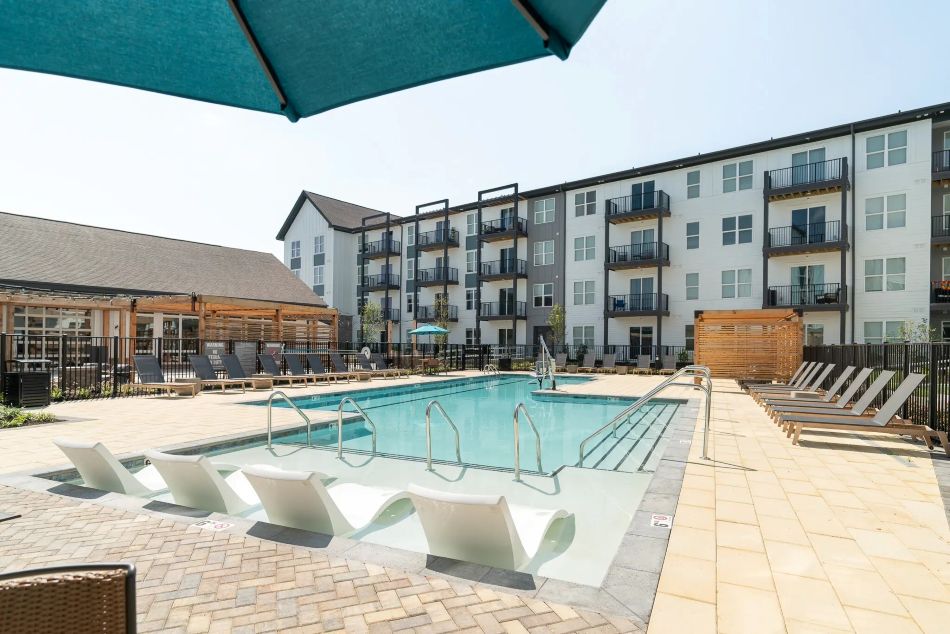
Hamilton Zanze expands into the Knoxville market with the acquisition of Vital at Springbrook, a 300-unit community in Alcoa, Tennessee. The property joins the firm's Tennessee portfolio of 3,451 units across 15 communities. Completed in 2024, the elevator-served community features studio through two-bedroom homes and sits within Springbrook Farms, a master-planned development. Mission Rock Residential will manage the property alongside Hamilton Zanze's Chattanooga and Nashville assets.
Carmel Partners Acquires 268-Unit Silver Apartments in Central San Jose
October 30, 2026

Carmel Partners Acquires 268-Unit Silver Apartments in Central San Jose

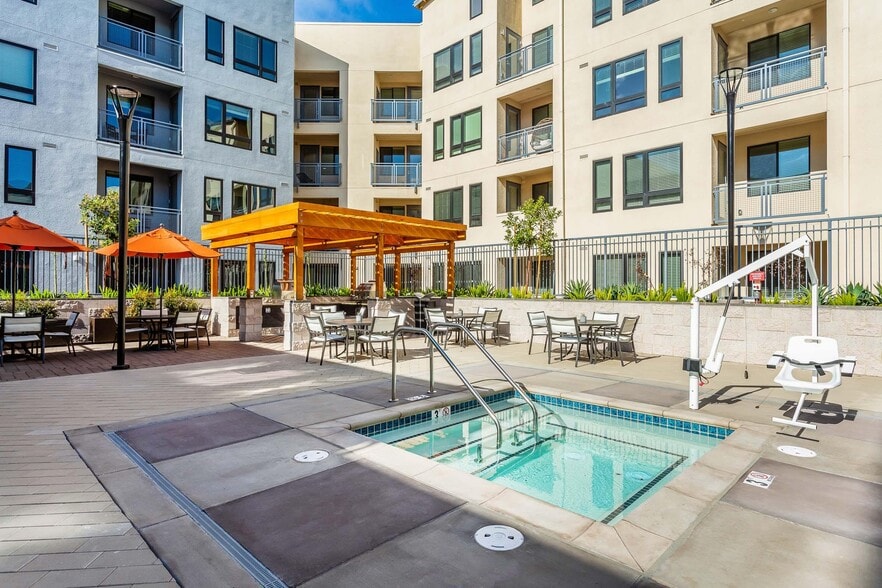
Carmel Partners acquired Silver, a 268-unit multifamily community in Central San Jose, marking the firm's fourth Bay Area acquisition within Carmel Fund 9. The 2018-built property features studio through two-bedroom units with extensive amenities. Carmel plans a value-add strategy with strategic upgrades across residences and community spaces. The asset's location near the Diridon transit hub and Downtown San Jose provides access to Silicon Valley employers and urban amenities.

Multifamily Innovation® Technology & AI Summit

Connect with industry leaders and gain insights into the multifamily real estate market. The premier conference for multifamily investment professionals.

Date
December 1-3 2026
Location
Phoenix, Arizona
Register Now